Every Demolition Tool You Actually Need (And the Ones You Don't)
I've wasted money on demo tools I never used and broken tools I thought were good enough. Here are the 12 tools that actually matter for residential demolition — from bathroom tear-outs to full room guts.
Every Demolition Tool You Actually Need (And the Ones You Don't)
There's a specific kind of excitement that happens when you decide to demo a room yourself. You watch three YouTube videos, buy a sledgehammer, and start swinging.
Then the sledgehammer goes through the wall and into a water pipe.
I've done demo on a bathroom, a kitchen, and a basement wall. Each time I learned what tools actually matter, what's overkill for residential work, and what's genuinely dangerous to skip.
The Essential Demo Tools — Tier 1 (Buy These First)
These are the tools you'll use on every single demo job, regardless of what you're tearing out.
1. Reciprocating Saw (Sawzall)
This is the single most important demo tool. Not the sledgehammer. The reciprocating saw.
It cuts through drywall, wood framing, nails, screws, PVC pipe, metal lath, and even thin steel — all with different blade types. It's surgical where a sledgehammer is a blunt weapon.
What to buy:
- Corded reciprocating saw — more power, never dies mid-cut. (Home Depot, Amazon — $60-120)
- Blade variety pack — wood, metal, and demolition blades. You'll burn through them. (Amazon — $15-30 for 15+ blades)
- If going cordless: Get a 20V+ model with a 5Ah battery. Anything less dies too fast during demo.
2. Pry Bar Set (Flat Bar + Cat's Paw)
You need two pry bars, not one:
- Flat bar (15-18 inch) — for prying trim, baseboards, door frames, and cabinet faces. Thin enough to get behind finish materials without destroying the wall behind them. (Home Depot, Amazon — $10-15)
- Cat's paw (nail puller) — for extracting nails from framing. Hit the forked end with a hammer to dig under the nail head, then lever it out. (Amazon, Home Depot — $8-12)
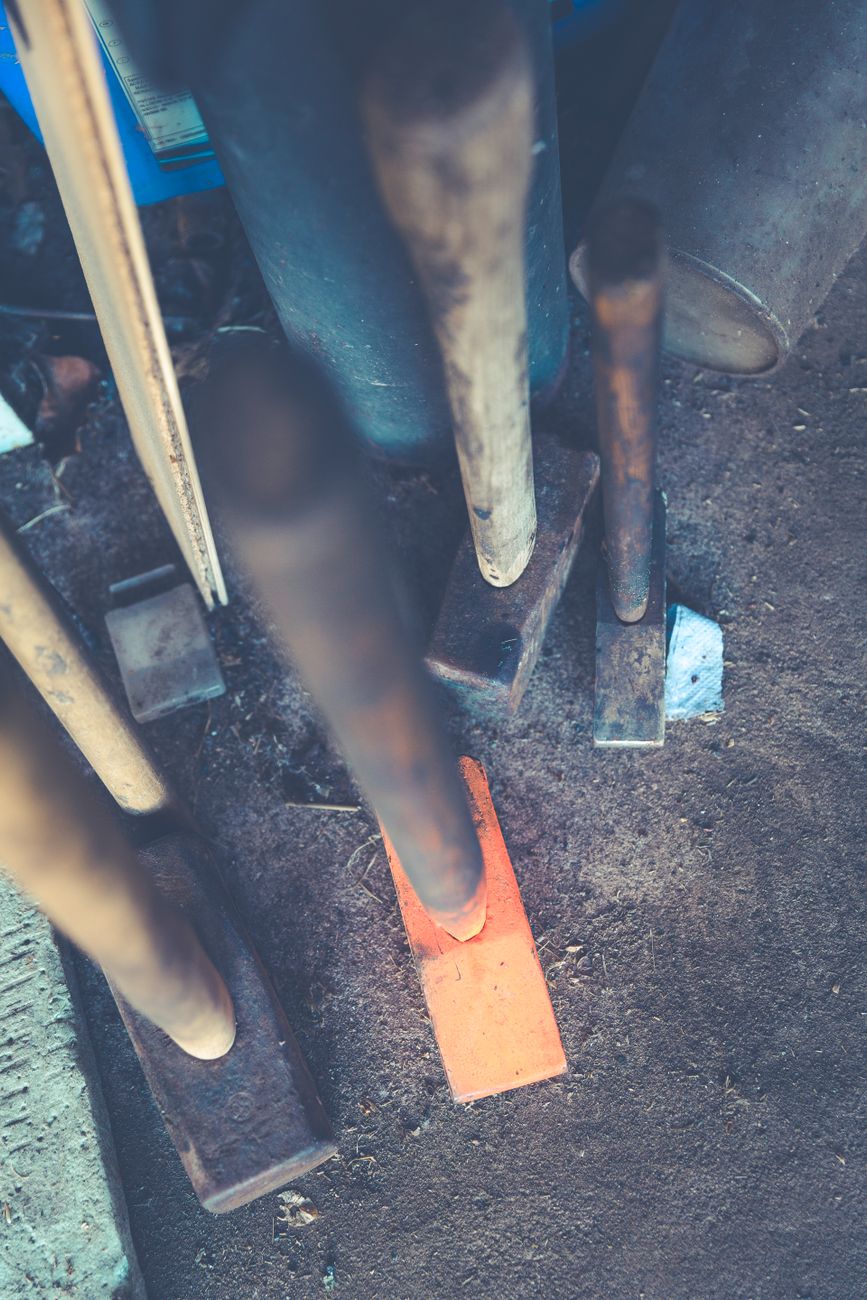
3. 3-lb Sledgehammer (Hand Maul)
Not a 10-pound sledge. A 3-pound hand maul. You can swing it with one hand, control where it lands, and use it for hours without destroying your shoulders.
The full-size sledgehammer has one purpose: knocking down masonry walls. For everything residential — drywall, tile, thinset, plaster — the hand maul is better.
What to buy:
- 3 lb hand maul with fiberglass handle — fiberglass absorbs vibration better than wood and won't splinter. (Home Depot, Amazon — $15-25)
- Skip the 10 lb sledge unless you're demolishing concrete or brick.
4. Utility Knife (Heavy Duty)
For scoring drywall before snapping it, cutting carpet and padding, slicing through caulk and adhesive, and a hundred other things. Get a heavy-duty metal body — not the cheap retractable plastic ones.
- Heavy-duty utility knife with extra blades (Home Depot, Amazon — $10-15)
- Buy a 100-pack of blades — dull blades are dangerous blades. Change them constantly. (Amazon — $10-15)
5. Safety Gear (Non-Negotiable)
This isn't optional. Demo produces dust, sharp debris, loud noise, and flying fragments.
- N95 respirator — for drywall dust, insulation fibers, and anything airborne. (Amazon — $15-25 for 10 pack)
- Safety glasses (impact-rated, ANSI Z87.1) — regular glasses don't count. (Amazon — $8-15)
- Hearing protection — reciprocating saws and hammering in enclosed spaces are LOUD. Foam earplugs or over-ear muffs. (Amazon — $5-25)
- Heavy-duty work gloves — leather or cut-resistant. You're handling nails, broken tile, and sharp metal. (Home Depot, Amazon — $15-25)
- Steel-toe boots — dropped drywall sheets, falling lumber, stepping on nails. (Amazon — $60-120)
Tier 2: Material-Specific Demo Tools
These depend on what you're tearing out.
For Drywall Demolition
Drywall is the easiest material to demo. Score it, snap it, pull it off the studs.
- Drywall saw (jab saw) — for cutting around electrical boxes, fixtures, and plumbing before removing panels. (Home Depot, Amazon — $8-12)
- The hand maul from Tier 1 handles everything else — hit the drywall between studs, it breaks along the stud lines, pull the pieces off.
For Tile Demolition
Tile demo is the loudest, dustiest, most miserable demo work. No way around it.
- 3-inch floor scraper (long handle) — gets under tile and pops it up in chunks. The long handle saves your back. (Home Depot, Amazon — $25-40)
- Rotary hammer drill with chisel bit — for thinset removal after the tile is up. A regular hammer drill won't cut it. Rent this unless you do tile regularly. (Home Depot rental — $50-70/day or buy for $150-300)
- Hand maul + cold chisel — for small areas or detail work around drains, toilet flanges, and corners. (Cold chisel at Home Depot — $8-15)
For Concrete Demolition
You're either breaking up a small pad, removing a patio section, or taking out a concrete step. Each requires different tools:
- Small pad or step (under 4 inches thick): 10-lb sledgehammer + pry bar. Hit the edge, work inward. (Sledgehammer at Home Depot — $30-50)
- Patio or driveway section: Rent a jackhammer (electric demolition hammer). Don't try to sledgehammer 200 square feet of concrete. (Home Depot rental — $75-100/day)
- Rebar cutting: Angle grinder with cutoff wheel — cuts rebar, bolts, and metal lath. (Home Depot, Amazon — $40-80 for the grinder, $10-15 for cutoff wheels)
Tools You Do NOT Need
The internet will tell you to buy all of these. Save your money:
- Wrecking bar (36-inch) — too long for indoor work. The 15-inch flat bar does everything the wrecking bar does in residential demo, with more control.
- Circular saw for demo — the reciprocating saw handles every cut a circular saw could make during demo, plus cuts the circular saw can't.
- Demo-specific hammer — your 3-lb hand maul does the same job. A $45 "demo hammer" is marketing.
- Oscillating multi-tool for demo — great for finish work, too slow and underpowered for demolition. Use the reciprocating saw.
The Complete Demolition Tools Checklist
Must-Have (Every Job)
| Tool | Price Range | Where to Buy |
|---|---|---|
| Reciprocating saw (corded) | $60-120 | Home Depot, Amazon |
| Blade variety pack | $15-30 | Amazon |
| Flat bar 15-18" | $10-15 | Home Depot, Amazon |
| Cat's paw nail puller | $8-12 | Home Depot, Amazon |
| 3 lb hand maul | $15-25 | Home Depot, Amazon |
| Heavy-duty utility knife | $10-15 | Home Depot, Amazon |
| Utility blade 100-pack | $10-15 | Amazon |
| N95 respirator masks | $15-25 | Amazon |
| Safety glasses (ANSI Z87.1) | $8-15 | Amazon |
| Hearing protection | $5-25 | Amazon |
| Work gloves | $15-25 | Home Depot, Amazon |
| Steel-toe boots | $60-120 | Amazon |
Material-Specific (Buy If Needed)
| Tool | Price Range | For What |
|---|---|---|
| Drywall jab saw | $8-12 | Drywall demo |
| Floor scraper (long handle) | $25-40 | Tile demo |
| Rotary hammer w/ chisel | $150-300 (or rent $50-70/day) | Thinset removal |
| Cold chisel | $8-15 | Tile detail work |
| 10 lb sledgehammer | $30-50 | Concrete/masonry |
| Jackhammer (rent) | $75-100/day | Large concrete removal |
| Angle grinder + cutoff wheels | $50-95 | Rebar, metal, scoring |
After the Demo: Cleanup and Disposal
Demo is the fun part. Cleanup is the work.
You'll need somewhere to put everything you just tore out. A 10-yard dumpster handles most single-room demolitions. If you demoed multiple rooms or the whole house, go with a 20-yard.
Cleanup supplies to have ready:
- Contractor trash bags for loose debris (Home Depot, Amazon — $20-30)
- Shop vacuum for dust and small fragments (Home Depot, Amazon — $80-150)
- Magnetic sweeper to pick up nails and screws from floors (Amazon — $25-40)
- Plywood sheets to protect your driveway under the dumpster (Home Depot — $30-45 each)
Compare Dumpster Prices for Your Demo Project
We've scored 6,304 dumpster rental operators across 50 states using real data — not ads, not pay-to-play rankings.
[Compare haulers in your city](/dumpster-rental) to find the best-rated operator near you, or use the [project cost calculator](/tools/project-cost) to estimate what your demo project will cost.
Free Download
The Dumpster Rental Cheat Sheet
Sizes, costs, and the 10 questions that save homeowners $200+.